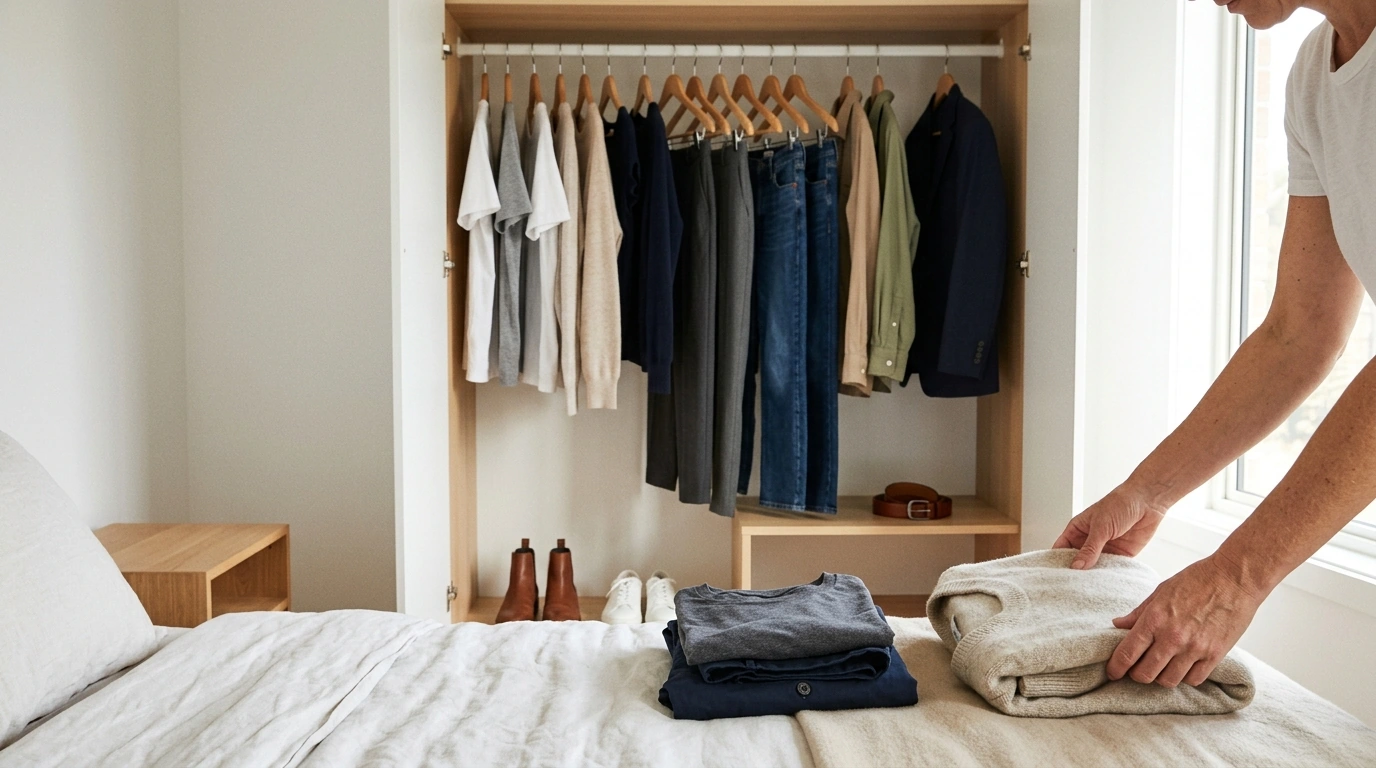
A great wardrobe doesn’t start with more shopping—it starts with a clear plan. A “style staples” approach keeps your closet focused on pieces you actually wear, so getting dressed feels quick and consistent for workdays, weekends, and last-minute plans. For more guidance, see The Wardrobe Essentials We’re Wearing in 2026.
A staples-first closet is less about having fewer items and more about having the right mix. When your pieces work together, outfits come together with less effort and far fewer “nothing to wear” moments. For further reading, see Wardrobe essentials: staples for women over 40 – 40+ Style.
If you want a deeper overview of how capsules work in real life, this guide from Good Housekeeping breaks down the concept and why it’s so wearable.
Capsule closets get easier when you stop treating everything as “a basic.” A balanced wardrobe has three jobs: anchor, express, and function.
Support pieces matter more than most people expect—especially fit. A straightforward tailoring primer from MasterClass is a useful reference when you’re deciding what’s worth altering versus replacing.
A capsule only works if it matches your real routine. Start with what you repeat most often (commuting, meetings, school drop-offs, errands, casual dinners), then build “uniforms” you can rotate without feeling stuck.
| Category | Go-to options | Fit/quality cues | Mix-and-match tips |
|---|---|---|---|
| Tops | Crew tee, elevated knit, button-down | Shoulder seam sits right; fabric not see-through | Works under blazer/cardigan; tucks cleanly into denim/trousers |
| Bottoms | Straight jeans, tailored trouser, casual short/skirt | No pulling at hips; comfortable rise | One dark + one light option covers most outfits |
| Layers | Blazer, cardigan, denim/leather jacket | Sleeves allow movement; buttons lay flat | Choose a layer that dresses up tees instantly |
| Shoes | Clean sneaker, flat/loafer, simple heel/boot | Supportive sole; no slipping | Match hardware tones to belt/bag for cohesion |
| Dress/one-piece | Day-to-night dress or jumpsuit | Skims without clinging; breathable lining | Add blazer + heel to elevate; sneaker to casual |
| Accessories | Belt, everyday bag, small jewelry set | Durable hardware; comfortable strap drop | Repeat the same metals for an intentional look |
When staples feel “boring,” the issue usually isn’t the clothes—it’s the lack of repeatable combinations. Outfit formulas create variety while keeping everything cohesive.
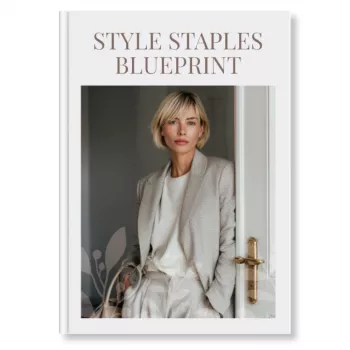
If you want a clear system you can reuse every season, Style Staples Blueprint digital guide is designed to turn “random shopping” into intentional outfit building. It helps define essentials, set a workable palette, and create formulas you can repeat—especially helpful after a quick closet audit and a short list of priority upgrades.
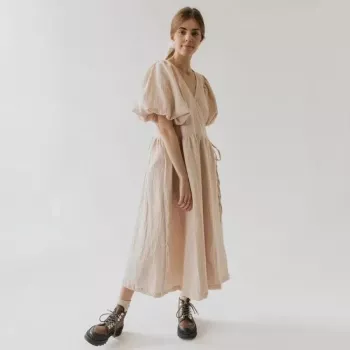
Want a quick way to add personality without derailing your capsule? Consider a single dress that works with your layers and shoes—like a statement dress option for capsule styling—then wear it two ways: with a blazer and boots for a night out, or with a casual jacket and sneakers for daytime.
A practical range is about 25–40 core pieces (not counting workout wear, special-occasion items, or pajamas). Climate and lifestyle matter most, so start small with your highest-wear categories and expand only where you feel consistent gaps.
Start with what you wear most: one great pair of jeans or trousers, a versatile layer (blazer or cardigan), comfortable everyday shoes, and a few tops that match your palette. Fill the biggest day-to-day gap first, not the most “popular” item.
Use styling levers: swap shoes, add a third piece (jacket, blazer, cardigan), and rotate accessories and jewelry. Adding 1–2 statement items that work with both neutrals—and keeping a simple outfit photo album—keeps things fresh without adding clutter.









Leave a comment