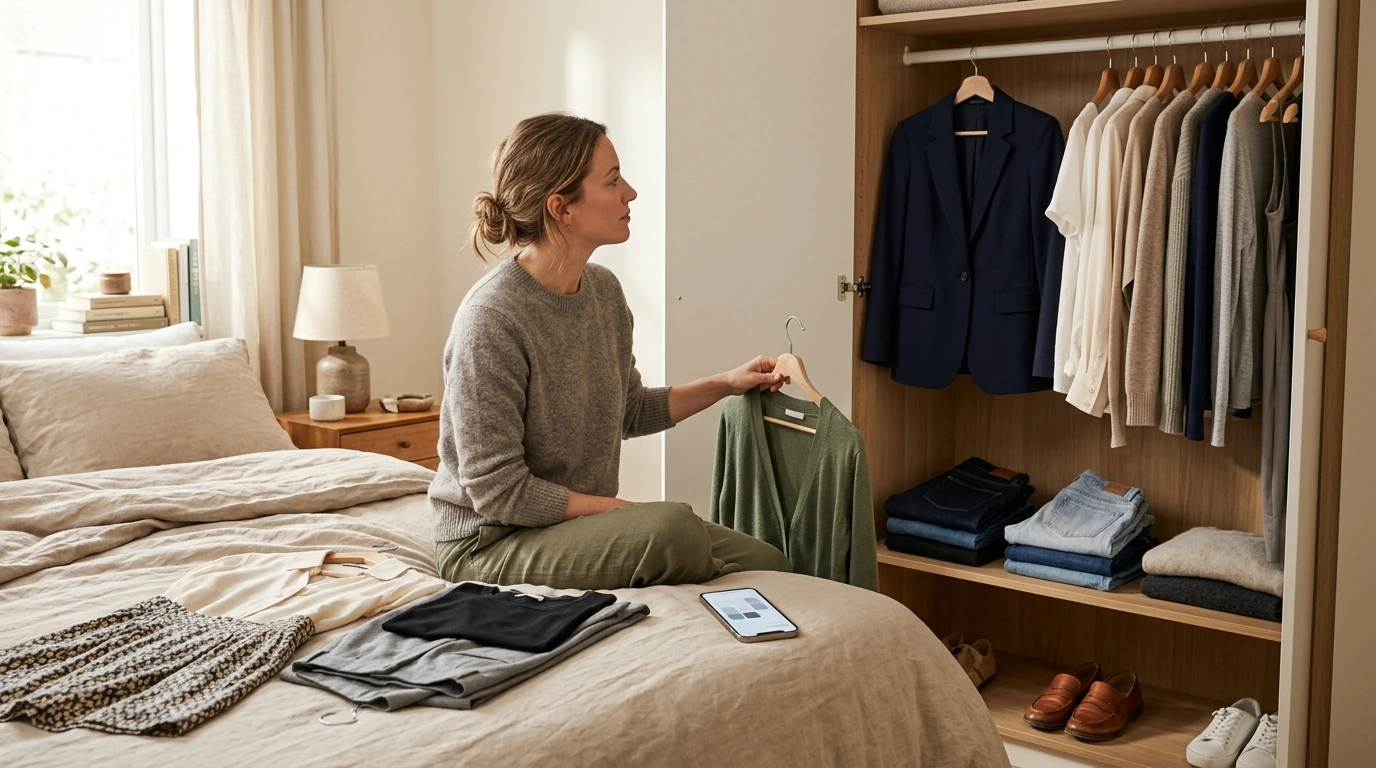
A great wardrobe doesn’t require more shopping—it requires clearer decisions. Style Flow with AI is a practical, repeatable system that turns AI into a dependable styling assistant: defining your style direction, translating your closet into usable inputs, generating outfit ideas that match real life, and refining results into formulas you can repeat on busy mornings.
If you’ve ever felt like outfit ideas sound good but don’t feel like “you” once you put them on, the fix usually isn’t more inspiration. It’s better structure: clearer constraints, better closet context, and a workflow that improves over time.
Style Flow is a loop: inspiration → wardrobe reality → outfits → refinement. Instead of chasing random looks, you create decision rules that guide every suggestion toward pieces you’ll actually wear.
For a broader view of why smarter use and longer wear matter in fashion, the Ellen MacArthur Foundation’s work on fashion and the circular economy is a strong reference point.
Great outfit output starts with clear inputs. Before generating looks, set three categories of guardrails that keep suggestions aligned with your real life.
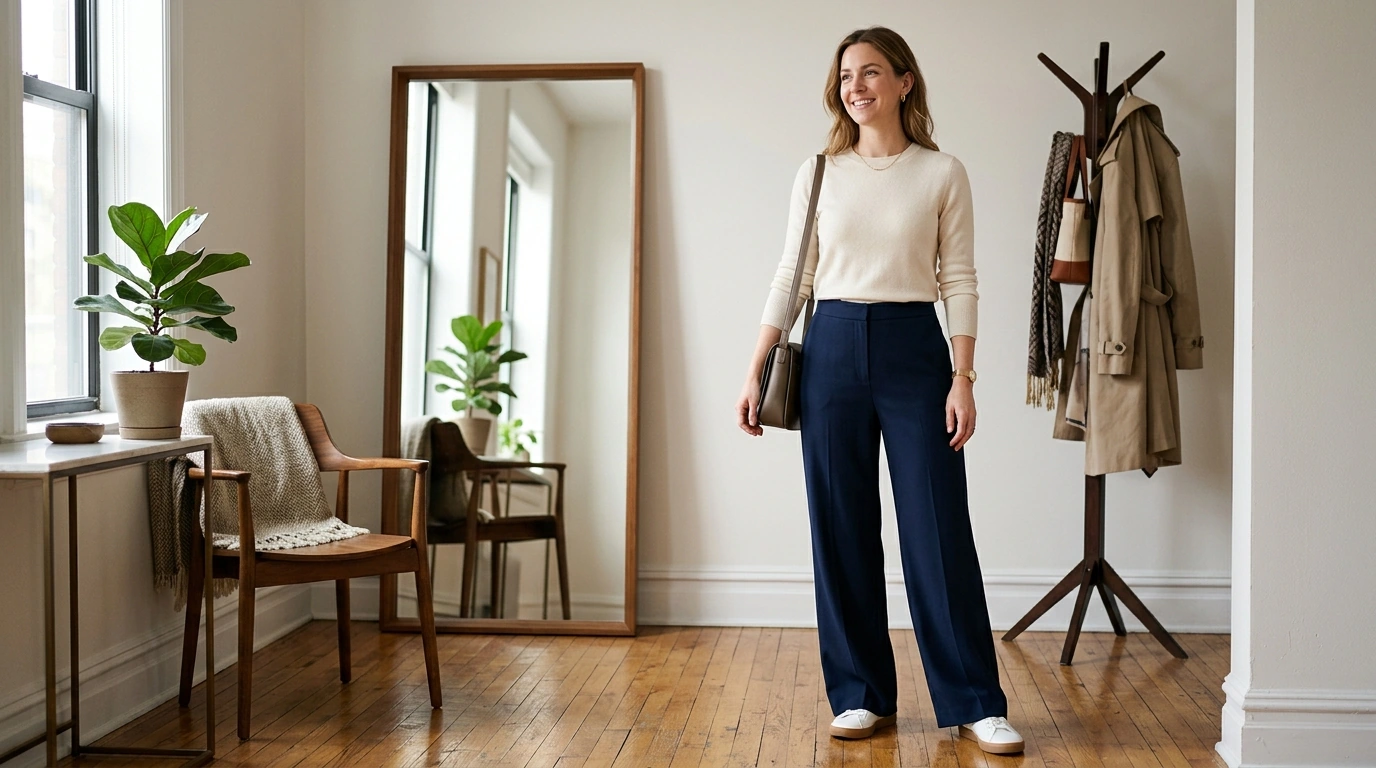
Choose pillars like “polished casual,” “sporty minimal,” or “romantic modern,” then define what each looks like in real garments and shoes. For example: “polished casual” might mean straight-leg jeans, structured layers, simple leather sneakers or loafers, and minimal jewelry.
List the situations your wardrobe must handle: office expectations, errands, social plans, travel, weather swings, and any dress codes. This reduces “fantasy outfits” that don’t match your schedule.
Write down the details that decide whether something gets worn: rise, sleeve length, necklines, hem lengths, bra compatibility, shoe comfort, and fabric sensitivities. Add a “no list” (items you never reach for) so recommendations stop repeating the same misses.
You don’t need a perfect inventory. You need a usable one—focused on what you actually wear.
| Step | What to Provide | What to Get Back |
|---|---|---|
| Style pillars + lifestyle | 3–5 sentences describing style and weekly activities | A styling brief and decision rules (color, silhouette, vibe) |
| Closet capsule list | 15–40 items with basic tags | Outfit combinations that reuse pieces strategically |
| Occasion request | Event, location, weather, comfort level | 3–10 outfit options with variations |
| Refinement | What felt off: fit, color, too formal, too bland | Tighter recommendations + a reusable outfit formula |
| Gap check | Missing function (e.g., layer for cold offices) | A short, prioritized shopping list (only if needed) |
The fastest way to build a wardrobe that feels bigger is to start with one anchor and intentionally branch.
Need a standout anchor for nights out or vacation dinners? A single statement piece like the Sexy Mesh Print Mini Dress can become the base for multiple looks (tough boots and a leather jacket, sleek heels with a blazer, or sandals with a lightweight layer).
For ongoing outfit generation, refinement steps, tagging formats, and reusable templates, Style Flow with AI | Digital Guide to AI-Stylist Outfit Creation Workflow, Fashion Prompts & Wardrobe Transformation is built to keep the process consistent—so you’re not starting from scratch every week.
When you shop, the aim is fewer, better additions that match how you live. For context on the broader industry pressures that fuel overproduction and fast trend cycles, McKinsey’s State of Fashion insights offer a helpful overview.
Explore the full system here: Style Flow with AI | Digital Guide to AI-Stylist Outfit Creation Workflow, Fashion Prompts & Wardrobe Transformation.
Yes. Provide a short list of items with simple tags (color, season, formality), then ask for outfit formulas and swap-based variations so you can repeat core pieces without repeating the same look.
Add constraints like temperature range, dress code, walking time, shoe comfort, and fabric sensitivity. Request options ranked by practicality so the most wearable looks appear first.
It can, especially when you use a gap-check step to separate functional needs from cravings. Prioritize additions that unlock multiple outfits with what you already own.







Leave a comment